Product Overview
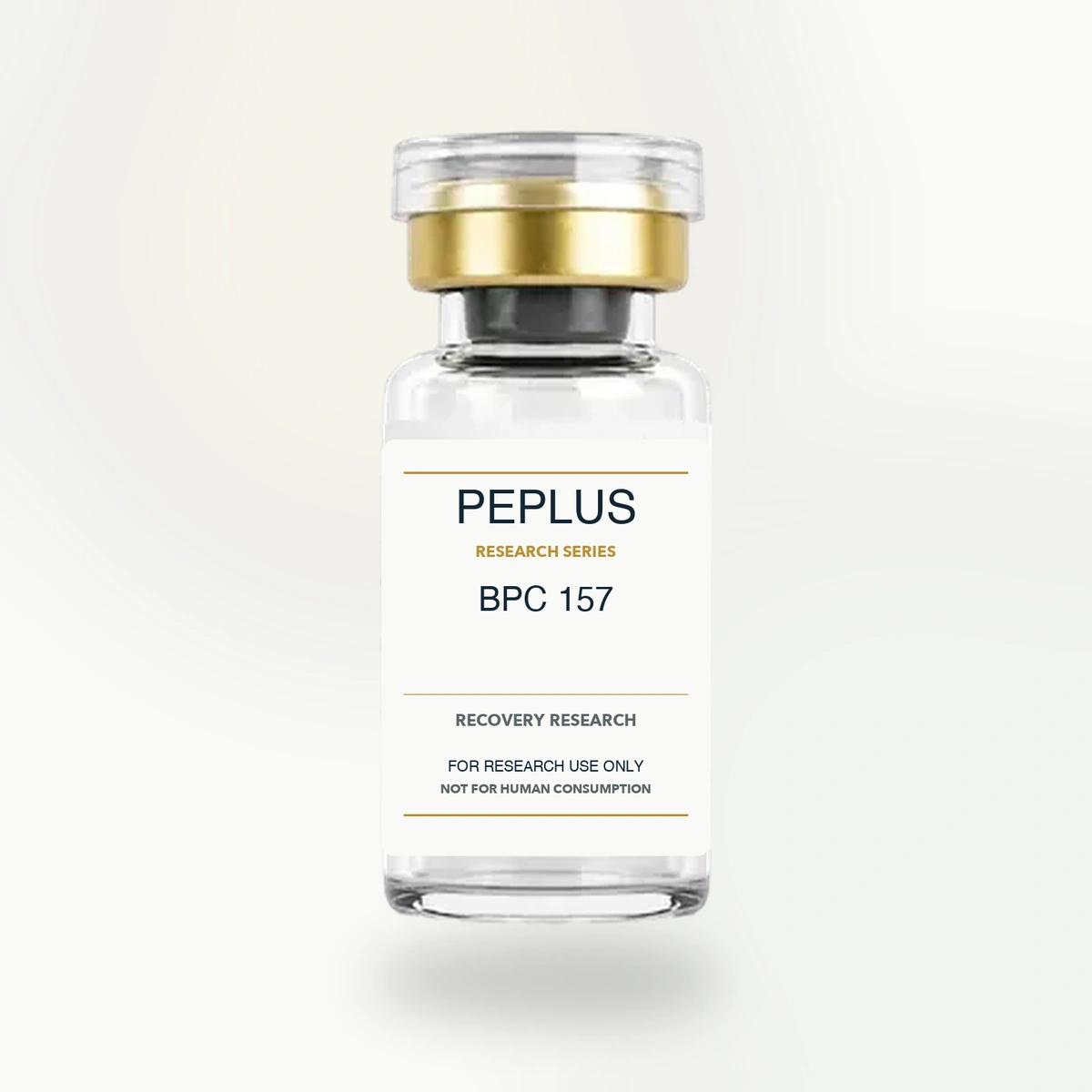
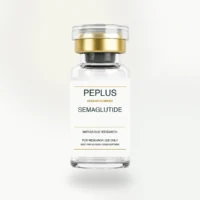
PEPLUS BPC 157 is a 15-amino-acid peptide sequence derived from a gastric-protein fragment described in experimental literature. It is classified as synthetic research peptide and is presented as a laboratory research material in a clearly identified vial. Its research history is predominantly preclinical, so mechanistic interpretation requires appropriate experimental controls. PEPLUS catalogue presentation emphasizes professional labeling, consistent product identification, and laboratory-focused handling without making assumptions about a specific experimental protocol. The material is intended for qualified investigators developing appropriately controlled in vitro, analytical, biochemical, or preclinical research models. Product identity, concentration or fill quantity, and any batch-specific characteristics should always be confirmed from the vial label and accompanying documentation before experimental use.
Scientific Background
A 15-amino-acid peptide sequence derived from a gastric-protein fragment described in experimental literature. The established research literature places this material within synthetic research peptide research, with particular attention to cell migration, angiogenic signaling, nitric-oxide pathways, and tissue-response models. Its research history is predominantly preclinical, so mechanistic interpretation requires appropriate experimental controls. Published investigations in this field commonly compare concentration-response behavior, receptor or enzyme selectivity, downstream signaling, structural stability, and time-dependent cellular responses. The relevance of any observation depends on experimental system, species, cell type, analytical method, and controls. Accordingly, PEPLUS describes this product as a scientific research input rather than a medicine, supplement, diagnostic reagent, or consumer product. Researchers should consult primary literature and institutionally approved methods when selecting assays and interpreting results.
Mechanism and Biochemical Context
Research involving BPC 157 commonly examines cell migration, angiogenic signaling, nitric-oxide pathways, and tissue-response models. Mechanistic work may evaluate binding or interaction profiles, second-messenger changes, protein phosphorylation, transcriptional responses, metabolic flux, or other endpoints appropriate to the compound class. Its research history is predominantly preclinical, so mechanistic interpretation requires appropriate experimental controls. These pathways are context dependent: activity observed in one assay does not establish an outcome in another model. Published studies have explored dose-response relationships and pathway cross-talk under controlled laboratory conditions, but results should be treated as experimental observations rather than guaranteed effects. Suitable negative, vehicle, comparator, and time-course controls are important when distinguishing compound-specific responses from background variation.
Research Areas
- Cell migration research
- Angiogenic signaling models
- Nitric-oxide pathway studies
- Gastrointestinal tissue models
- Tendon and connective-tissue research
- Peptide stability analysis
Product Highlights
- Product-specific classification: synthetic research peptide
- Laboratory vial presentation
- Clearly identified for catalogue and laboratory handling
- Individually packaged to support organized inventory
- Batch identification where applicable
- Intended for qualified laboratory research
Technical Information
| Product Name | BPC 157 |
|---|---|
| Core Compound | BPC 157 |
| Research Classification | Synthetic Research Peptide |
| Product Form | Peptide Material |
| Container | Laboratory Vial |
| Appearance | Refer to the product label or batch documentation |
| Storage | Follow product label and batch documentation |
| Brand | PEPLUS |
Storage and Handling
Store according to the product label and accompanying batch documentation. Protect from excessive heat, moisture, and direct light. Keep the container securely closed when not in use. Confirm product-specific conditions before storage or experimental handling. Use appropriate laboratory controls and personal protective measures consistent with institutional procedures. This section does not provide preparation, administration, or human-use instructions.
Quality and Traceability
PEPLUS uses controlled handling and consistent catalogue practices designed to support clear product identification. Vials are labeled for organized laboratory inventory, with batch identification provided where applicable. Any analytical specification should be evaluated against the label or batch documentation supplied with the specific item; no unlisted purity, sterility, certification, or test result is implied.
Shipping and Packaging
The product is packaged to reduce physical damage during transit and to preserve clear identification. Temperature-conscious or insulated packaging may be used when appropriate for the product and shipping route. Researchers should inspect the received package and follow the product label for storage.
Frequently Asked Questions
What type of research material is BPC 157?
It is classified as synthetic research peptide. Its research history is predominantly preclinical, so mechanistic interpretation requires appropriate experimental controls.
Which biochemical system is commonly examined?
Research commonly focuses on cell migration, angiogenic signaling, nitric-oxide pathways, and tissue-response models.
How is the product supplied?
PEPLUS supplies this catalogue item in a clearly identified laboratory vial. Refer to the label for the specific form and quantity.
How should the unopened vial be stored?
Store according to the product label and accompanying batch documentation. Protect from excessive heat, moisture, and direct light. Keep the container securely closed when not in use.
Is this product intended for human use?
No. It is solely a laboratory research material and is not intended for human consumption or any clinical, diagnostic, therapeutic, or veterinary application.
Research Use Only
FOR RESEARCH USE ONLY. This product is intended solely for laboratory and scientific research by qualified professionals. It is not intended for human consumption, therapeutic use, diagnostic use, or veterinary use. The purchaser is responsible for compliance with applicable laws, regulations, and institutional policies.



Reviews
There are no reviews yet.